The Tribe of Xa
The story and life of an unusual Seeker of the Sun tribe that resides in the eastern region of the Black Shroud
Written by KestrelCorvus
History
When the ancestors of modern day miqo’te crossed the frozen seas and arrived in Eorzea in the Fifth Umbral Era, they had not yet diverged into distinguishable peoples and settled into environments that would shape them. As the story of the Seekers of the Sun goes, the tribes claim a letter that corresponds with that tribe’s totem. There just so happened to be twenty six tribes, and it was interpreted as a sign that they were destined to reside within these lands.Within one of these tribes was group that had split off. It could have been a single roaming male from the parent tribe, or a group that had broken apart and wandered further than most of the seeker tribes did, most likely a combination of pursuing prey and being pursued themselves.The young A tribe would eventually find itself far from the desert sands and other seeker tribes and into what is commonly referred to today as the Twelveswood, in the Eastern Shroud. It wasn’t until the second winter that the tribe found the perfect spot to settle, in the shelter of a magnificent tree that seemed to keep the worst of the weather at bay. This part of the forest they chose to reside in held vast ambient aether and was full of rich and vibrant life, but in order to remain, the tribe was not to consume aether for the casting of spells by the will of the elementals—such was a reasonable exchange as at this time they were a people without much magic training or reliance, so the agreement was readily upheld. Thus was the dawn of their beliefs: That the souls of all things and the aether of the world are one and the same. (See 'Traditions' for further details)Over the years, the tribe began to slowly show physical changes as their bodies adapted to being both in the dense woods opposed to open deserts and being constantly submersed within such rich aether. They became larger and stronger to take down the imposing prey, their senses honed to be more aware of threats the dense woods concealed and larger ears to hear them better with longer tufts of fur at the tips and lining the insides to help keep them warmer in the cooler moons.With the changes to their bodies and being so removed from A, the leaders; the family and the spiritual, decided it was time to make a new identity for themselves and they adopted a letter to add to their titles and from A, the Antelopes, they became Xa, the Horned Lynxes.As the tribe embraced their newfound identity, their spirituality deepened and their connection with the lands they resided upon only strengthened and grew. This pure connection granted some the ability to shape the wood around them, even making dwellings in the bases of large still-living trees without bringing them harm. Their existence became symbiotic to the forest for many years, living alongside their keeper cousins and trade between the tribe and clans was common.It was not until settlers arrived with attempts to tap into the vast stores of aether their homes surrounded that they saw any major conflict. Having lived so far and in such isolation, these intruders were met with great skepticism. Their keen senses and connection with the land seemed allow them to sense when and where aether was being channeled if it were near enough. Those visitors plead ignorance, and were reluctantly allowed to stay so long as none of the magic was taken. Further scholars came and studied, some were viciously attacked for trying to cast magic in secret, thinking the tribe would be none the wiser, but with stern warnings, subsequent visits took more care, few and far between as they were.Many more years passed before the event that would forever change the way the tribe lived their lives and cause the downfall of their unique practices: The arrival of the conjurers.Unbeknownst to the Xa tribe, civilization had been growing while they lived, content despite the difficulties of the wilderness, and those civilizations had developed their own magic and wished to spread their practice to others within the Black Shroud. These visitors were met with reluctance and disdain; they wanted nothing to do with any magic, they had already resided in the wood for centuries, they had no need for the magic.Time and time again, the conjurers came, were refused, and left again. However when it was decided that all children of the shroud were to come to Gridania to learn the ways of conjury and the conjurers arrived again requesting to take them, the tribe was furious and when they were threatened for not complying, they attacked, still fully refusing to allow their children to be taken to be taught a practice they never needed in all their years of being there. The Conjurers were confident that they would be victorious with their use of magic against their foes, but the tribe’s connection with the star granted them other means of defending themselves. They were evenly matched enough that there was no devastation for either, but the tribe had the benefit of the home field and were able to hold their ground long enough that the conjurers were eventually forced to retreat after running low on supplies.After the retreat, the leaders converged once again to discuss how to best proceed, for they knew the conjurers would be back again eventually. It was decided that they would beseech the Deepwood Sylphs; the neighboring faction they were on friendly terms with but largely left alone; for aid.With the blessing of the elementals, the tribe adapted into a semi-nomadic lifestyle and built carts and wagons from the trees that once made up their homes with the help of the Sylphs; whom also provided heavy fabrics for tents that would become their new homes, and they would move with the seasons and return to the great tree for winters, when it was too dangerous to travel such a distance.The first few years were the hardest. There was the benefit that there was a lessened worry about over hunting and the forage was often rich, but it took a while to adjust to the new way of life. The unforeseen effect of the new lifestyle was over time, they were staring to lose their connection with the star and the new hardships were the cause of great unrest, and Xa began to fracture and go their own ways, some staying near enough to become a circle of tribes while others simply faded.To this day, the remnants of the Xa tribe remain to roam the deep woods and they still return to their ancestral homeland every winter. With no written word, much of their history remains unknown to them and the new lifestyle is simply tradition. Their unique magic is nearly lost and none alive remember it beyond the most basic forms that are still in practice.
Current State
To look upon Xa now, it would not seem as though they were a shadow of their former selves, but there has been a shift from the previous chieftain to the next that has caused the most drastic change. The previous leader, Xa’sheri held the titles of Nunh, leader, and spiritual guide all as by the modern day, the once large tribe had dwindled as more and more members were pulled away to form their own. Once large enough to hold two to three Nunhs, Xa came to only have one so males wishing to take up the mantle on their own must seek out another tribe.Suitable males to challenge him were few and far between. Some were strong indeed, but the spirituality was so important to the tribe that males must also be educated in their way. Many of the tribes that had split off from the parent tribe had long since lost the sight of the deeper meaning. One such individual was A’zeir.The tribe A’zeir came from had branched from Xa many years prior and had reclaimed the title of A despite having direct lineage tying them to Xa. Proud and fierce, the young A tribe had shifted from a more peaceful lifestyle to focus more on building physical strength to become more like warriors to defend what they deemed to be theirs and grow their territory. They believed that they deserved to be the true A tribe instead of what they deemed to be an inferior offshoot, abandoning both the name and totems the original people had made for themselves.When the time came for A’zeir to depart his tribe to stake his own claim, he arrived at the Xa tribe to challenge Xa’sheri. He was warned that his challenge would be accepted, but even if he were victorious, the rest of the tribe would not accept him if he were to simply dismiss their way, even if only the title of nunh was transferred, not the one who led.A’zeir heeded the warning and lived on the outskirts of the tribe while under Xa’sheri’s tutelage, learning, or more accurately relearning the spiritual ways of the tribe he sought to join. The young A’zeir showed promise but was overly confident; his first attempt at fighting for the right to the title was almost laughable. In his age, Xa’sheri’s strength had diminished, but he remained agile enough to wear down his opponent with miss after miss until much of his strength was spent.It was a cycle for a time, Xa’sheri would share their way, A’zeir would listen until his impatience led him to challenge him proper only to be met with defeat. In addition to their beliefs and connection with the star that Xa’sheri wished to rekindle within A’zeir, he also wished to teach the ambitious male patience.Eventually A’zeir did indeed defeat Xa’sheri and claim his place as the new nunh. Xa’sheri remained within the tribe for a few more years, maintaining his role as spiritual guide and and led as an elder. Somewhat suddenly, Xa’sheri was claimed by illness and had yet to appoint a spiritual successor. Leading the tribe fell to the hands of the eldest daughters for a few summers until A’zeir proved himself strong enough to earn the title of Chieftain. Strong indeed and he appeared to had taken Xa’sheri’s teachings to heart and he vowed to protect his new family.However, he never fully shook off the greed for power and the wish to expand his own parent tribe’s influence. As a new spiritual guide was never chosen, it became another mantle he placed upon himself. He led ceremonies and they became a part of his life, but it became something of a shadow of what it was, only tasks appointed to a leader. Feeling their ways not truly being respected, a small number of Xa elders--sisters of Xa'sheri--that never fully accepted A'zeir departed the tribe with their children. Their whereabouts remain unknown.Further disintegration of Xa occurred when he willed that children he sired take his tribal title and return to A and the harsh and strict rule he was born into was passed on.A’zeir remains the nunh and current leader, having been so for some thirty-five years, teaching his sons to do as he had—to ‘expand the territory of A’, and teaching his daughters that would remain with the tribe to continue to be strong. His strictness lessened with age, but recent revelations about their collective history has had him questioning his own beliefs, looking to his children and his family and realizing what he’d inadvertently taken from them.
Daily Life
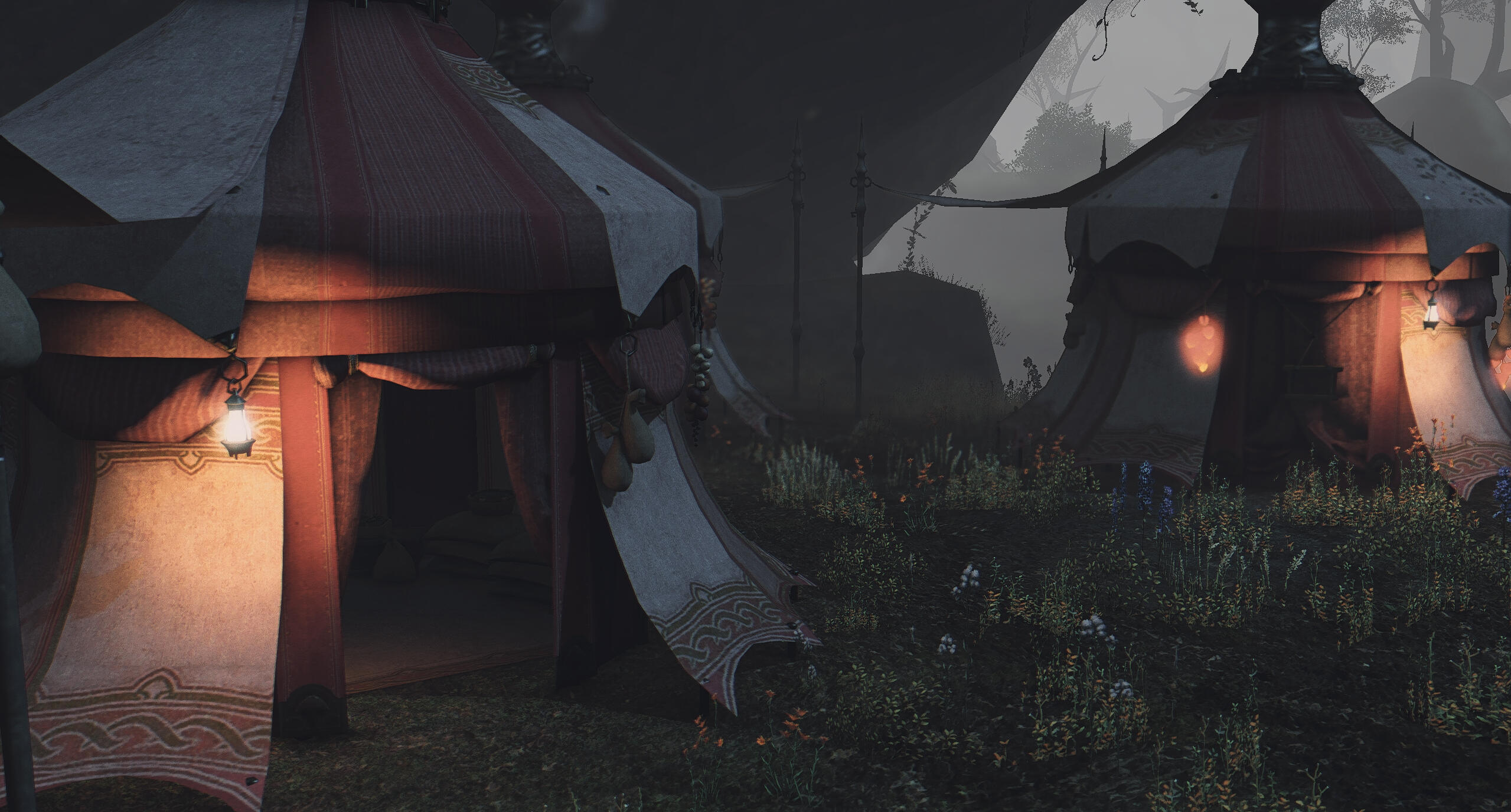
Day to day life for Xa likely does not differ overmuch from other miqo’te seeker tribes with the exception of A’zeir’s rules and a few other details from interacting with keeper clans more often than other seeker tribes. The tribe nunh also works to provide, joining in with hunting parties even if he does not necessarily lead them. The tribe is too small for multiple, so Tias who wish to challenge for the title must look to another tribe to do so. Tias may stay if they wish as long as they continue to contribute to the tribe as a whole.The larger difference is that while leaders of the tribe may be either male or female, male leaders are expected to display more humility and recognize that they are only in that position because they are allowed to be. In the case of A’zeir, his ‘display of humility’ is mostly a front to maintain good relations with the clans.When A'zeir took over from the former Nunh and Chieftain, Xa'Sheri, the once larger tribe became tense, and with Xa'Sheri's unexpected passing, a large amount of those that were more passionate about the way of Xa and the guidance of Xa'Sheri split away, with some few remaining behind to take care of their existing families.Beneath A’zeir’s rule, the Xa tribe is more reserved and cold toward one another. Though his strictness eased with age, his rules were to be followed to the letter under threat of punishment. This behavior was reluctantly allowed because visiting males had become so rare and their numbers had dwindled so much that they risked extinction if they cast him out in hopes another more preferable male would take his place.Such rules that were often enforced that had no place prior were mainly to ensure A’zeir controlled as much of their lives as he could to guide as he saw fit:No intimacy of any sort was allowed for any but the tribe Nunh and his companions; this was reasonable on the surface as the newest members were related by blood, but it extended to the other members that were in the tribe before he was, even if younger and not a part of his group of companions.Children were not to be doted upon, particularly past a certain age. Though the tribe worked together in raising the young ones, they were also discouraged from becoming overly protective so that the children would learn strength and to fend for themselves earlier. Emotion was weakness, this sentiment was directed toward all of the children, regardless of gender. Fights between them became more common than they had previously, and if fights were picked, they were expected to be finished.Among the usual hunting and gathering, the Xa tribe’s lingering connection with the elements grants many of them limited abilities. Most of the tribe are capable of granting a ‘blessing’ unto gathered herbs, plants, vegetables, and fruits to extend their longevity long after harvesting. (See Traditions for more.) The lingering effects of the connection also emerge in the form of heightened awareness of their surroundings for hunting and navigating.The tribe remains semi-nomadic, living in their tents of sylvan textiles and moving between various parts of the shroud with the changing of the seasons to return to what was once their true home every winter where the rich ambient natural aether still maintains influence enough to reduce the effects of winter.There is no written language, and tales and songs are shared mostly through oral tradition. Carvings in the sides of wagons, upon the support beams of tents, and any other number of wooden surfaces and trinkets helped maintain some amount of consistency.Various foods included the expected meats from the wide variety of game that was available, both fresh and dried. Some seasons offered fish, and they are not adverse to some insects; particularly termites and cicadas. Foraging provided them with an assortment of vegetables, seeds, mushrooms, nuts, and berries, with the most prominent fruit being apples from trees that grow around their wintering grounds. Prepared meals are often spiced fairly heavily, with some being wrapped in grape leaves. There is very limited farming with only one or two small crops per season.
The only livestock the tribe keep would be those smaller sort that can be fully contained; they keep chickens for meat and eggs and occasionally keep rabbits when conditions allow for them but they tend to be harder to maintain long-term. Neither require the clearing of land to keep and are things that they only started keeping in more recent generations, the already-domesticated creatures having been brought over by traveling traders.
They do not have an abundance of grain or wheat flour but they do have some variation of flour that they process to make flat breads. Sweets are limited to fruits and less commonly honey based treats such as cuts of honeycomb, or clusters of nuts and seeds coated in honey.
Goods and Trade
With no formal currency and a society that remains built around bartering, the tribe has a number of crafted goods that they offer. Some members may have basic knowledge to offer each other aid and there is some overlap in skills but most commonly, crafts-people will focus on one trade for much of their lives.One of the most common is carving, wood, leather, and bone. Carving weaving patterns and designs into surfaces, or creating various beads, jewelry, children’s toys, cutlery, bowls, and other similar things. The designs are sturdy and effective, but also relatively simple and do not contain very many moving parts, often for lack of tools capable of finer intricate details.Leather goods are also common; various pouches, quivers for arrows, water skins, belts, bandoleers, knife holsters and others often with designs carved into the surfaces with soft leather straps or buttons of wood or bone to secure them in place.Standard clothing is of pelt or thin and softer hide with decorative beads and feathers. Fabrics of Sylvan make in various colors are not uncommon and are usually accompanied with leather belts and straps to secure them in place. Lose and draping fabric clothing is more common in the warmer months, while the leather and pelt attire is preferred for the cooler.Paints and dyes made from berries, ash, and charcoal in muted natural colors accent various crafts. The pigments are strong but do fade with age, though splits and cracks aren’t typical.
Dried meat is less commonly available for trade unless there is a generous stock of it.
Baskets and fishing nets made from woven plant fibers are somewhat common.
Soaps and candles made primarily from beeswax.
Natural healing salves for topical treatment of various ailments.
Bows, arrows, and spears, Bows remain preferred for hunting while spears are for melee type fighting when the need arises.
Simple incense, smoking herbs, and cooking herbs and spices. Incense and smoking herbs are dried only, but cooking herbs and spices can be obtained either dried or fresh with their impressively long shelf life.Probably the product the tribe is most well known for by traders is their cyser—an alcoholic mead-type beverage made from fermenting apple juice and pulp with honey. Some batches contain berries and others are fermented with different spices to adjust the flavor. Apples are abundant in their homeland, but they must go on hunts specifically to gather enough honey. Originally it was made in wine skins or pouches, but as the trade became more common, they were able to obtain more specialized equipment for fermenting and continue to refine the recipe.Because of their growing wine trade, they often request wine bottles so long as they’re intact, as wine in bottles seems to be more appealing to foreign traders, whom are willing to return the bottles when they next arrive, oftentimes bringing additional ones as they were going to be discarded anyway. The bottles are cleaned, but the corks are often discarded in favor of new onesMetal tools and weapons are highly sought after, particularly knives and whetstones. Xa has no mines and no way to work metals so sturdy metal goods alongside ways to maintain them are highly sought after.
Traditions and Faith
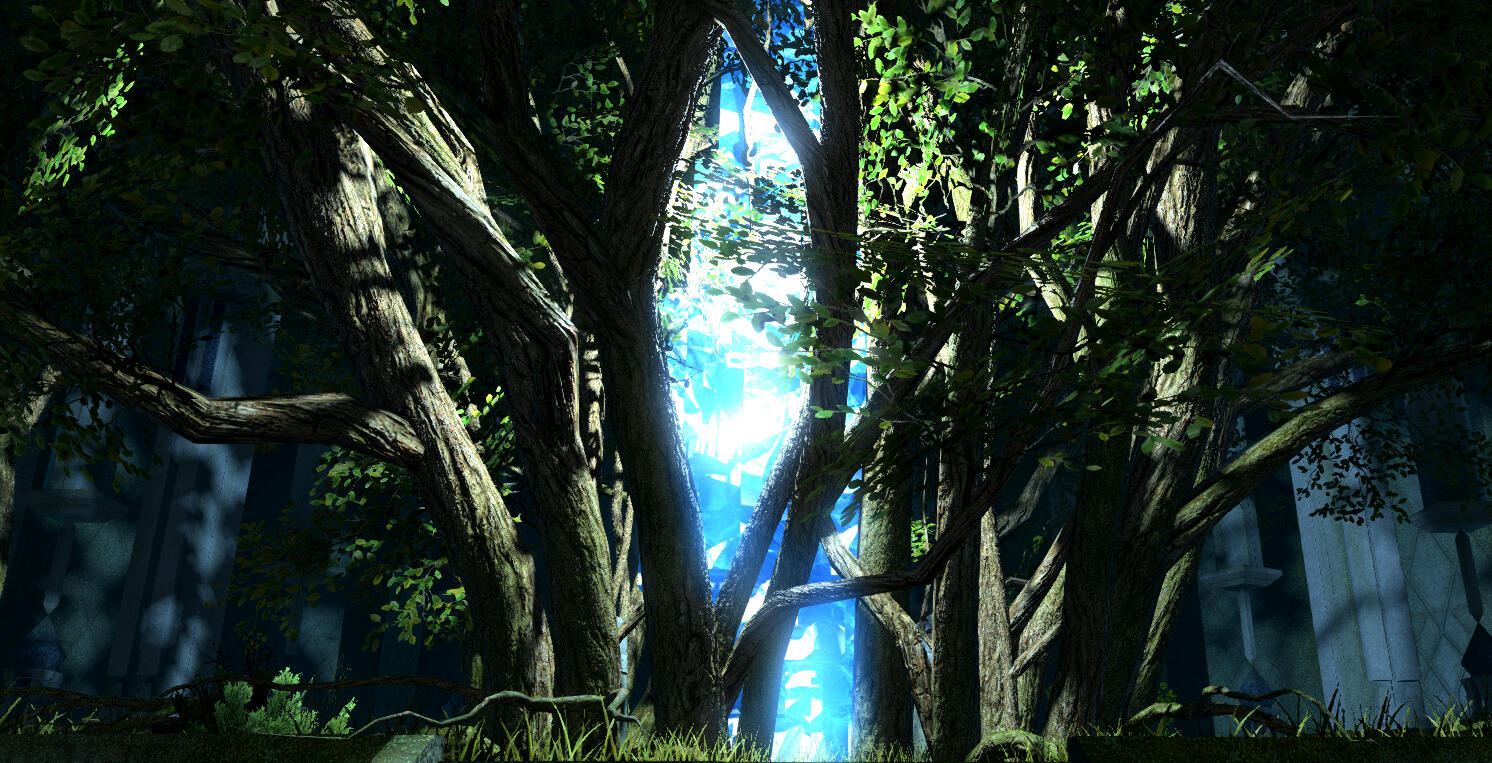
Over the centuries, the festivals and rituals have changed very little, though the deeper meanings behind them have either been lost or warped with time. The most common practice requires words of thanks to anything taken from the environment, either harvested or hunted, as either is seen as taking a life in some sense, but more respect is expected when taking the life of an animal, and it is important to use every part possible, down to the bones.In addition to use of the blessing to preserve gathered herbs and plants, the blessing of preservation is very frequently applied to flowers for use as decoration for the insides of dwellings and to decorate hair or clothes. Over the course of the warmer months, many flowers are preserved to decorate the outsides of tents and when the tribe arrives to the overwintering grounds, the flowers obtained are hung up inside to decorate the insides of the tents along with other ornamental baubles made from beads of wood and bone and feathers, some on strings or some scattered about. The practice is not unlike the tradition of bringing in evergreen trees and decorating them for starlight—while there is no specific holiday observed, the preserved blooms act as symbols of hope for the coming spring and bring color to the insides of their homes while the outside appears bleak and dreary during the winter months.The blessing has no name but is understood to be an effect from their relationship with the star they reside upon. The effects are not infinite and start rapidly fading after about a year which for most things is plenty of time and is particularly useful when finding less common herbs. The plants are still vulnerable to being damaged by damage or frost, however. There is no glow that could indicate a channeling of aether when the blessing is given and is seen as adjusting the flow of aether as opposed to casting a spell, though to an onlooker it would likely still appear as magic and generally takes very little energy, but must be applied to each individual object if not a part of the same stem. Though the most commonly blessed plants remain flowers largely for spiritual and decorative purposes.The tribe has something of a saying that goes “No matter how dark and cold the winter, spring will always follow” it is a lesson often meant literally, but also refers to enduring hardships.When the ground thaws and the spring returns, the tribe hosts an extravagant celebration; one that has lasted since they were first granted their gift of nature’s blessings. Local tribes and clans congregate at the ancestral homeland of Xa, alongside some traders that make the trip early. The start of the festival is when the apple trees in the surrounding area start to bloom and it lasts for a few days.Tents are converted into stalls to offer wares during the day and various games, tests of strength and skill as well as some simpler games for young ones are set up with the most popular involving archery and hand-to-hand sparring.The festival is a celebration of surviving the winter and servers as a purpose to thank the elements for the good fortune and to return the spirits of the preserved flowers to nature. A pyre is set up near the base of the ancient tree where people may present their collection of preserved flowers. On the evening of the final day of the festival, a ceremony is held with music, chanting, dance, and prayer that invokes the dense aether while the pyre is lit and the preserved flowers are burned to return their spirits to the flow that surrounds them. The pyre burns through the night and is extinguished the following dawn, marking the end of the festival. The following day the tribe begins preparations to depart to head toward the grounds where they will spend spring and continue moving with the seasons.The ashes from the flowers is used to make paints which are used in decorations but some varieties are used to make body paints to be worn during the festival.Music is primarily made with various kinds of drums, flutes, tagelharpa, and simple harps that often accompany vocal sounds like humming even if there are no true lyrics or chants.Spring Celebration: Móttöku Vorsins (Icelandic, literally 'the reception of spring') or 'The welcome of Spring' is by far the most significant ceremony that Xa still holds, and it remains one welcome to all and acts as a celebration to not only survival, but to life itself. It was once conducted by the shaman, or later the spiritual leader, but as they currently lack one such figure, the rituals remain conducted by the leader.Autumn Celebration: When the forest has reached its peak vibrancy with the foliage brilliant oranges and reds signifying the end of the bounty of spring and summer and the approach of the cooler months, there is a similar festival to that of spring though it does not feature the ceremony that the spring's welcome has.The concept of ‘oneness’ remains to this day; the idea that the ambient aether of the world, the flora, and the fauna is all a part of a single intertwined thing. The tribe’s language does not differentiate between ‘aether' and ‘soul’ and consider them to be the same thing. In the oldest traditions, to channel aether was to expend a part of the self, as it drew upon either the ambient energies or those within so to tap into them at all was to take away without giving back. More recent generations have a slightly more lax view on casting despite those born within the tribe generally not having any noticeable inclination toward magic, but it remains frowned upon. To tap into the aether of the the magestone which resides upon their ancestral homeland is still likely to be met with aggression.On magic and 'blessings': There is a little bit of inconsistency with their beliefs regarding magic and what they consider to be a blessing. Most individuals within the tribe are capable of the task of preserving herbs and forage for practical purposes but the deeper practice has largely been lost. In the most literal sense, the 'blessing' IS a form of magic and aether manipulation but is heavily limited to maintaining the natural state of the aether and the inability to convert it to a different element.The tree itself remains something of a sacred site, it is the place that provides some amount of shelter from winter, and the rich natural aether nourishes the region so that the effects of winter are somewhat more mild, the neighboring trees going into dormancy later than elsewhere and the regrowth starting earlier. While it is indeed a sacred site, it itself is more of a conduit and not itself an object of worship. Apart from the impressive naturally formed crystal resting within the trunk of the massive tree, with several other countless crystals decorating its branches. Not bright enough to emit much light, but bright enough to be seen, these countless crystals are affectionately referred to as ‘the low stars’ as even in the darkest dreariest, cloudy nights, they gave the illusion of a full sky of stars, faintly glimmering and flickering above them. Expressions of excitement and exclamations are often variations of ‘by the stars’ or ‘stars above and below’, referring to the stars of the night sky, the ‘low stars’ and the star they reside upon.To touch the crystal within the nameless giant is something ritualistic. The energy of a crystal so large to have formed naturally is immense. Often done while taking substance that expands the senses, touching the crystal is said to offer some a truer glimpse of what its like to be a part of everything. Not quite an ‘out of body’ experience, but the body is include of everything. Such visions are described as being a part of an intricate web or tangled roots or branches and aether flows through everything, including the self. There is momentary heightened awareness of the surroundings that continuously expands the longer direct contact with the crystal is maintained. Even being near the crystal can have an impact on the senses and the entire region has noticeably more dense aether. Those familiar with the sensation or truly dedicated to the beliefs may attain a semblance of awareness through deep meditation.Elemental sprites are considered to be very pure spirits and held in very high regard; this often means that even the more hostile ones tend to be more peaceful, or at least more tolerant towards the tribe but not always harmless.Adolescents at around the age of fifteen or sixteen go through a sort of coming of age ceremony where they are to venture off on their own into the forest for around a week or so for their first solo hunts. They are provided some provisions and it is effectively a test for survival for any that may choose to leave the tribe. If the hunt is successful there is a celebration upon their return and they are welcomed to adulthood. Not every young hunter is successful though, after a week or so if they have yet to return, the search begins.
Additional Information
This section is a little less refined, and includes some information that didn't really fit anywhere else.The Xa tribe is an original tribe directly based upon the Miqo’te lore within Final Fantasy XIV: A Realm Reborn. Certain liberties have been taken but effort has been made to make their lore fit in as well as possible.Xa in this context is pronounced similar to the French pronunciation 'Sz-ah' (As in 'Jacques'), as opposed to the X tribe which is typically pronounced 'she'. Acceptable alternative pronunciations include 'Sha' and 'Za'.Characters still currently living in the tribe with their primary roles. This list does not include every character, only those that have been named.
A’zeir Nunh: Nunh and Chieftain*
Xa'sheri Nunh: Former Chieftain (Deceased)
A’meija Sheri: Salve maker, Child caretaker
Xa'sauzi Sheri: Leatherworker
Xa'tsurhi Sheri: Hunter
Xa’zemu Sheri: Winemaker
Xa’nada Sheri: Bowyer and Fletcher
Xa’mhiro Tia: Butcher and cook
A’leilyi Zeir: Leatherworker, Twin of A'saia, Daughter of Xa'sauzi
A’saia Zeir: Tailor, Twin of A'leilyi, Daughter of Xa'sauzi
A'vanha Zeir: Bone and jewelry crafter, Daughter of Xa'zemu
A’lalo Zeir: Young child, Daughter of Xa'nada
A’rihlu Tia: Young adult, returner, Son of Xa'zemu
A'mhari Zeir: Adolescent, Daughter of Xa'tsurhi
A'samri Zeir: Adolescent, Daughter of Xa'tshuri (Deceased)
A'rhazah Tia: Adolescent, Son of Xa'tshuri (Deceased)
A'suka Zeir: Adolescent, Daughter of Xa'sauzi (Deceased)
Jiri 'A'dóttir' Lurau: Adolescent, Adopted by A'meija (Deceased)
*Nunh is not the same as a Chieftain, or leader. Nunh specifically refers to ‘ideal breeding males’ – particularly large tribes can have more than one. Actual leaders may be male or female.Elder members that predate A’zeir’s arrival still keep their previous prefix, with the exception of A’meija, who adapted the new prefix when A’zeir took over.‘Deepwood Sylphs’ are an original variation of Sylphs based on those from Little Solace and are very similar in lifestyle and appearance, with the exception of more reddish foliage. They often interact and can be seen lingering around the tribe, more often when they’re at the overwintering grounds in early spring and often participate in the spring festival. It is assumed they do not age like other races do and live for a very long time. Deepwood Sylph ‘Elder Kiaxia’ is the only living individual that remembers the time when the Xa tribe was stationary and still had a shaman.Other named Deepwood Sylphs include Taixio, the guard, and Sanxia, a part of the council. They collectively refer to the Xa tribe as ‘the Lurking Ones’ and the shaman as ‘the Horned Lurking One’ while themselves are ‘the Drifting Ones’The second letter to the tribal name has no connection to the X tribe and is directly based upon the shift in their appearance. The totem is referred to as ‘the horned lynx’ but depictions include deer-like antlers in place of antelope-like horns. The shamans then later spiritual leaders, and currently the nunh wore/wear headdresses that incorporated antlers affixed to the top.Aesthetically, the Xa tribe pulls very heavy inspiration from Nordic and Celtic history with the spoken language based on Icelandic. It is assumed that Miqo’te tribes and clans have similar languages with differing dialects.The language they primarily speak is a hybridization of the full language of the Keepers of the Moon and a language from lands to the north, originating from the language spoken there but after generations of living in the shroud surrounded mostly by keeper clans, the language drifted to favor their language more, though not fully as some words and phrases remain. Despite generally following seeker traditions, there are no traces of original seeker language outside of commonalities there might be with keeper language.Huntspeak is assumed to be a very basic form of communication for the explicit purpose of hunting without truly speaking and is an incomplete language.The following playlist includes music that sounds like what one could potentially hear them play.
Much of the tribe's history has been lost, but there exists a single compilation of journals, sketches, and notes as a part of a study on old 'hedge magicks' that were practiced before the development of black and white magic. The study was written by a Sharlayan scholar and was found in the abandoned Gubal Library.It is heavily implied that those that studied them originally were scholars of Amdapor and the study of the tribe’s practices was one of the contributions to the development of white magic, and a major cause for the tribe’s original hostility toward conjurers.
About the Writer
Hello! If you made it through all of this, thank you so much!All of this is Based upon my FFXIV RP character Xa’vett, (formerly A’vett). I’ve become quite a stickler for details and figuring out all sorts of background information about my character has become quite the fun project. As I’d been writing this character and adding more and more background information to him, it started getting to the point where I felt that I really should start writing it down. This will be an ongoing project and I hope to expand further upon some concepts here as well as provide some visual references and depictions.This is all purely self-indulgent, and while I do try to keep this all as lore-abiding as possible, there are likely some areas where disagreements are possible or where head-canons don’t align and please keep in mind that this is all personal writing and its alright to not agree.This carrd’s primary purpose is for personal reference and not as a resource for information. I do not claim full accuracy of information written here and it is subject to change.While inspiration has been drawn from various sources, this writing is not directly based on any real world group or culture and is a work of fiction.